 Skip-the-line available
 The Best Time to Visit Himeji Castle
When to see the White Heron Castle at its best — cherry-blossom timing, season-by-season crowds, and the best time of day to climb the keep.
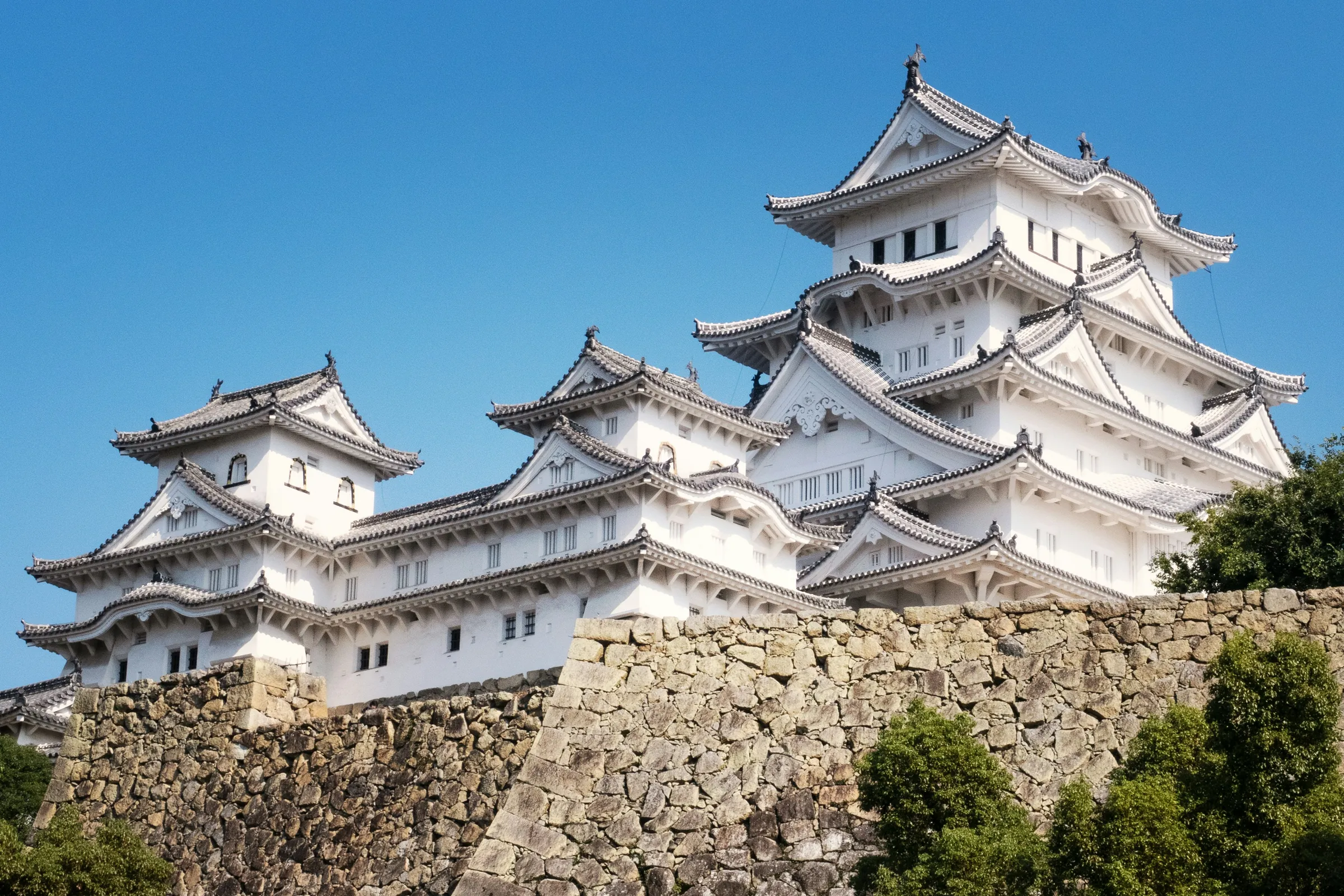
Himeji Castle rewards good timing, because it is both Japan's most beautiful castle and one of its most popular — and the experience of climbing the keep changes completely between a quiet weekday morning and a crowded cherry-blossom weekend. The famous image of the white keep above pink blossom draws enormous crowds for a short window each spring, while autumn and winter offer the castle in near-solitude. A timed e-ticket lets you skip the booth queue whenever you come, so the real questions are which season suits you and what time of day to arrive. This guide breaks down the calendar, the blossom timing, and the daily rhythm of crowds.
Season by Season
Spring (late March to May) is the headline season. For roughly two weeks from late March into early April the cherry trees around the castle bloom, and the white keep rising above the pink blossom is one of Japan's defining images — and one of its most celebrated hanami spots. It is spectacular, but it is also the busiest time of the year, with the grounds thronged and the ticket booth queueing well back; a timed e-ticket and an early arrival are essential. After the blossom falls, late spring is green, mild and far quieter.
Summer (June to August) is hot and humid, with the rainy season in June, but crowds outside the school holidays are lighter and the green surroundings are attractive. Autumn (September to November) is one of the best times overall: mild weather, clear light on the white walls, and thinner crowds, with some autumn colour in the grounds and at Koko-en. Winter (December to February) is the quietest season — crisp, clear days that flatter the white keep, the smallest crowds of the year, and the rare magic of the castle under snow. Note the only annual closures, 29 and 30 December.
Cherry Blossom Timing
Himeji's cherry blossom typically peaks in late March to early April, but the exact dates shift each year with the weather, often by a week or more, so it is impossible to guarantee far in advance. Forecasts of the blossom front are published from late winter and refined as spring approaches; if blossom is your priority, keep your dates flexible and watch the forecasts for the Kansai region. The bloom lasts only about a week or two at full strength, and a single storm can end it early.
During the peak, the castle grounds are one of the most popular blossom-viewing places in western Japan, which means real crowds: arrive at opening, use a timed e-ticket to skip the booth queue, and be prepared for congestion on the keep stairs. The reward is genuine — the white 'heron' keep above a sea of pale pink is unforgettable, and the west bailey and the approach avenue are lined with trees. If you cannot align your trip with the blossom, autumn light on the white walls and a snow-dusted winter castle are beautiful in entirely different ways.
Best Time of Day and Avoiding Crowds
Whatever the season, the single best tactic is to arrive at opening, around 09:00. The keep is the bottleneck of the whole visit — its narrow wooden stairs can only take so many people at once, and a queue forms inside on busy days — so being among the first up means climbing in relative calm before the day-trippers from Osaka and Kyoto arrive mid-morning. The light on the white walls is also clear and kind early in the day, good for photography from the grounds before the harsh midday sun.
Weekdays are markedly quieter than weekends and Japanese public holidays, and outside the blossom and autumn-leaf peaks the castle can be pleasantly uncrowded. Because the ticket is timed and digital, you skip the booth queue regardless, but you cannot skip the congestion inside the keep at peak times — so timing your arrival matters more here than at many sites. If you only have a fixed date, aim for the first or the last hour of the day and avoid the late-morning-to-early-afternoon peak.
Frequently asked
When do the cherry blossoms bloom at Himeji Castle?
Typically late March to early April, though the exact dates vary each year with the weather. The bloom lasts only a week or two at full strength. Keep your dates flexible and watch the Kansai blossom forecasts if this is your priority.
What is the best month to visit Himeji Castle?
Late March to early April for the cherry blossom (but busiest), or autumn (September to November) for mild weather, clear light and thinner crowds. Winter is the quietest and very beautiful, especially with snow on the white keep.
What time should I arrive?
At opening, around 09:00. The keep's narrow stairs are the bottleneck, so arriving early lets you climb before the late-morning crowds from Osaka and Kyoto. The first and last hours of the day are calmest.
Is Himeji Castle very crowded?
It can be, especially during the cherry-blossom peak and on weekends and holidays, when the keep stairs become congested. Weekday mornings outside the blossom season are much quieter. A timed e-ticket skips the booth queue but not the congestion inside the keep.
Is winter a good time to visit?
Yes — winter is the quietest season, with clear skies that flatter the white walls and the rare beauty of the castle under snow. Just note the only annual closures, 29 and 30 December, and dress warmly for the shoes-off climb.
How does the timed ticket help with timing?
It lets you reserve a date and entry window in advance and skip the ticket-booth queue with a QR code — valuable in the blossom season when the booth queues back up. Arriving early in your window also helps you beat the congestion inside the keep.